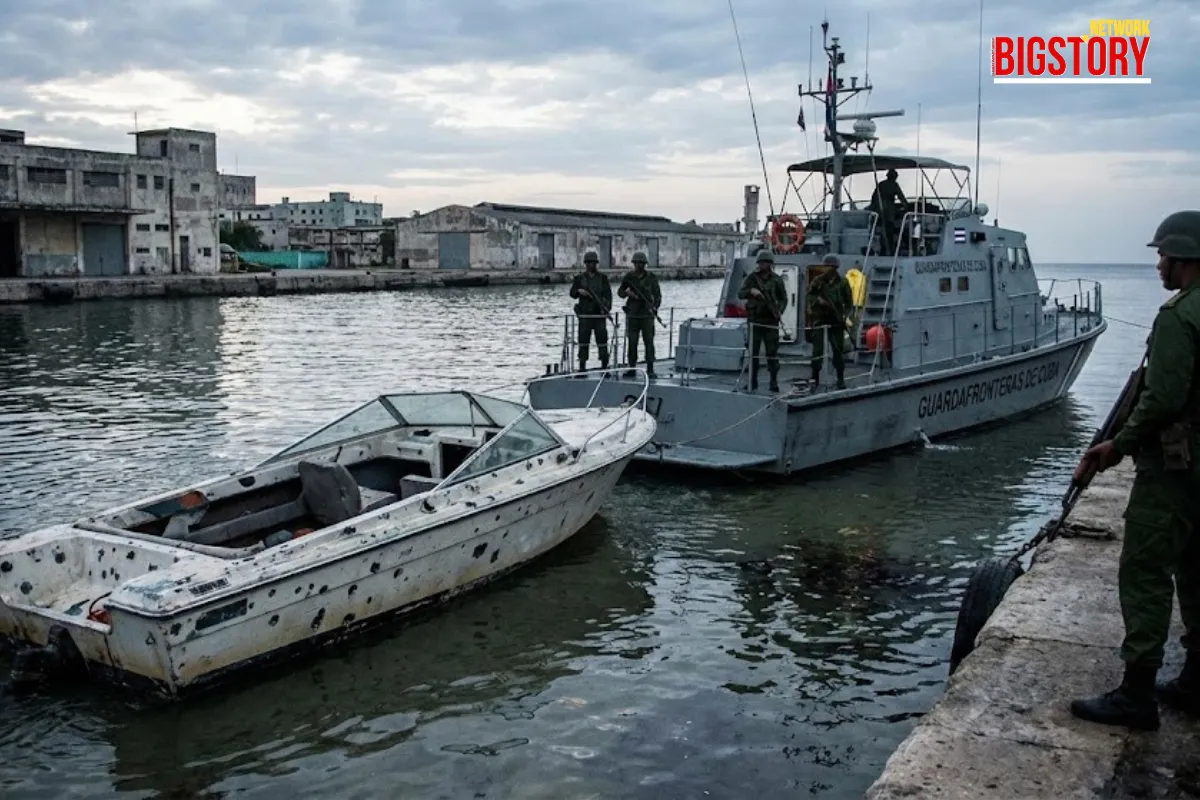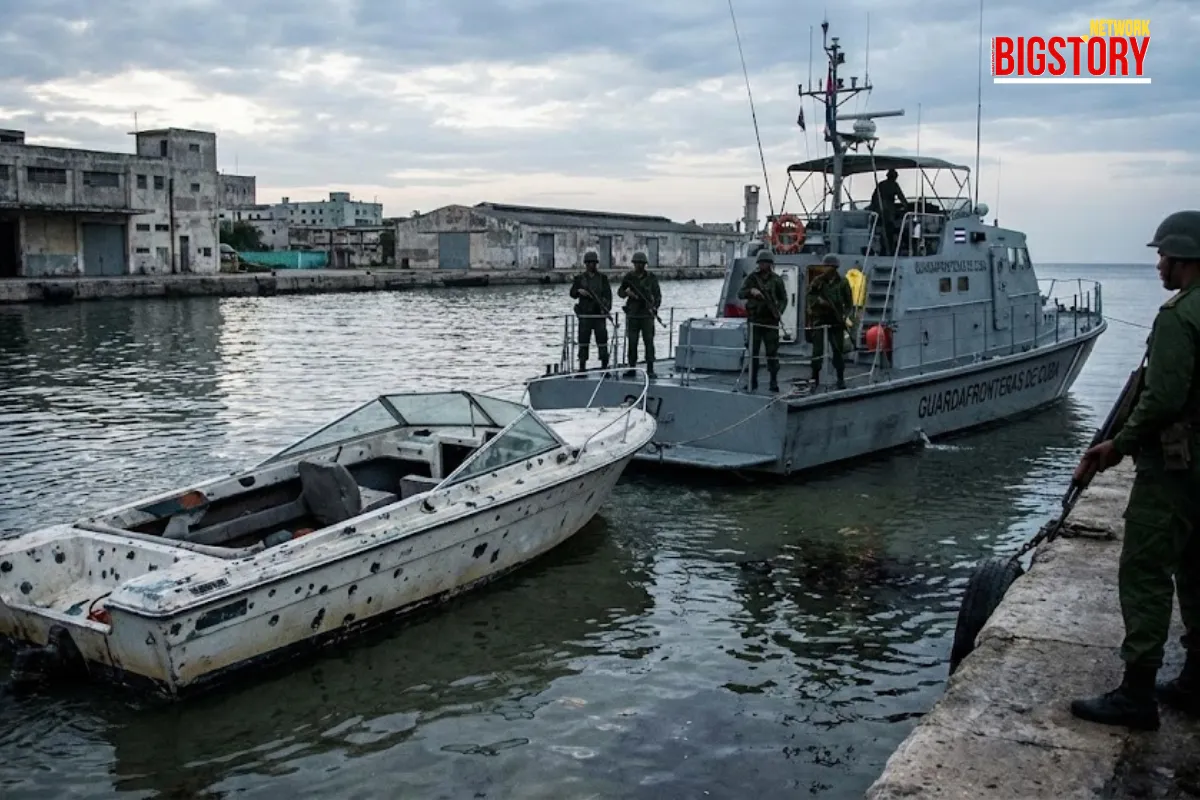
The Straits of Florida have once again become a flashpoint for international crisis. In the early hours of February 25, 2026, a high-speed maritime chase off the northern coast of Cuba's Villa Clara province escalated into a deadly firefight. According to Havana, a 24-foot Florida-registered speedboat penetrated Cuban territorial waters, opening fire on an intercepting Border Guard vessel. The resulting shootout left four boat passengers dead and a Cuban commander injured.
This matters because it threatens to ignite a powder keg that has been building since the start of the year. U.S.-Cuba relations entered a catastrophic "deep freeze" in January following "Operation Absolute Resolve" in Venezuela, which saw the capture of Nicolás Maduro and the deaths of dozens of Cuban military advisors. In this hyper-volatile climate, Havana is eagerly framing this speedboat incident not as a tragic smuggling run, but as a state-sponsored paramilitary assault orchestrated by "Yankee-backed" terrorists.
The "BigStory" Angle (The "Stolen Boat" Narrative & AI Forensics)
Mainstream media is amplifying Havana’s "organized infiltration" claims. They are missing the crucial "Stolen Boat" Defense.
U.S. law enforcement has already confirmed that the 24-foot vessel used in the shootout was reported stolen from a Florida Keys marina prior to the incident. This fundamentally shifts the legal and diplomatic landscape. Instead of a highly coordinated paramilitary cell, intelligence analysts suspect this may have been a desperate, heavily armed "rogue mission" executed by Cuban expatriates seeking to capitalize on the recent anti-government protests (cacerolazos) that swept Havana on February 6.
Furthermore, a forensic technological war is quietly unfolding. With Cuba claiming the passengers fired first, the U.S. State Department is reportedly utilizing AI to analyze satellite imagery, thermal flashes, and sea-drifting patterns to independently reconstruct the shootout. Proving who fired the first shot will be the definitive factor in the Florida Attorney General's upcoming legal probe.
The Context (Rapid Fire)
- The Trigger: The interception took place just 1 nautical mile from the Cuban shore near the El Pino channel, catching the 10 passengers—all identified as Cuban residents of the U.S.—in a lethal crossfire.
- The Backstory: Cuba is currently reeling from worsening food shortages and a crippling oil blockade, leading to massive civil unrest earlier this month. The expatriate diaspora in Miami has been highly agitated, seeking ways to support their families on the island.
- The Escalation: U.S. Secretary of State Marco Rubio, currently attending a regional summit in St. Kitts & Nevis, confirmed a federal investigation into the citizenship of the victims while vehemently denying any U.S. government involvement.
Key Players (The Chessboard)
- Miguel Díaz-Canel (The Defender): The Cuban President is leveraging the bloodshed to rally his domestic base, framing the shootout as a defense of national sovereignty against persistent imperialist aggression.
- Marco Rubio (The Diplomat): The U.S. Secretary of State is walking a geopolitical tightrope, managing the fury of his Florida GOP base while legally insulating the U.S. government from an unsanctioned paramilitary disaster.
- Amijail Sánchez González (The Infiltrator): Identified by Cuban authorities as one of the passengers. Havana claims he is a wanted individual with a known history of terrorism-related and violent activities, utilizing his presence to justify the use of lethal force.
The Implications (Your Wallet & World)
- Short Term (Florida Boat Owners): State authorities have issued a "High Vigilance" notice for all marinas in South Florida. If you own a vessel in the Keys, immediately upgrade your security protocols, as rogue groups may attempt to procure more boats for retaliatory missions.
- Long Term (International Law): Watch for the U.S. State Department’s forensic report due around March 5. If Washington concludes that Cuba used disproportionate lethal force against civilians attempting to flee or surrender, expect a massive push for further maritime sanctions.
The Closing Question
While the U.S. denies involvement, the expatriate community in Miami views these men as martyrs trying to help a starving island. Should the U.S. prosecute the surviving participants for violating the Neutrality Act, or protect them as political refugees? Tell us in the comments.

FAQs
- Q: Did the U.S. military attack Cuba on February 25, 2026?
- A: No. The Pentagon and the U.S. State Department have officially confirmed that no U.S. military, Naval, or Coast Guard assets were involved in the shootout off the coast of Cuba.
- Q: Who were the four people killed by the Cuban Coast Guard?
- A: The fatalities were among the 10 passengers aboard the speedboat. All individuals have been identified as civilian Cuban expatriates currently living in the United States.
- Q: Was the Florida speedboat involved in the Cuba shootout stolen?
- A: Yes. U.S. law enforcement confirmed that the 24-foot speedboat was reported stolen by its owner from a marina in the Florida Keys prior to the confrontation.
- Q: What weapons were found on the boat intercepted by Cuba?
- A: While full inventories remain classified, Cuban authorities reported that the occupants were heavily armed and engaged Border Guards with automatic gunfire, leading Havana to label them a "terrorist infiltration" cell.
Sources: